Ambulance - Sticker: A Designer's Review for Real Embroidery Projects
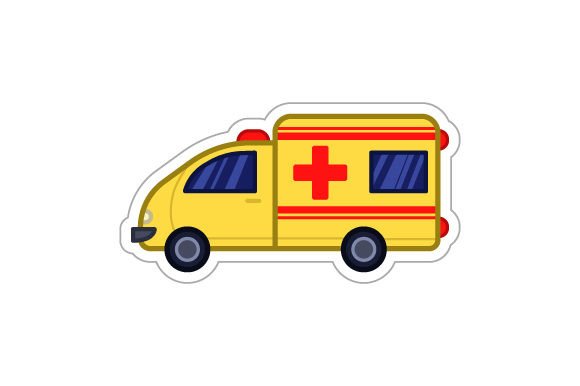
When I first opened the files for Ambulance - Sticker, my initial reaction was one of practical curiosity. In a sea of generic medical icons and complex hospital logos, this design stands out because it feels approachable rather than clinical. It captures the essence of emergency care without being overly heavy or intimidating. As someone who has spent years evaluating embroidery designs for everything from boutique clothing lines to personalized baby gifts, I know that the difference between a good file and a great one often comes down to how well it translates from screen to fabric. This piece carries a specific mood—it is friendly, recognizable, and surprisingly versatile for both personal crafts and commercial merchandise.
The visual personality of Ambulance - Sticker suggests a project that is meant to be seen and appreciated quickly. The layout is clean, avoiding the clutter that often plagues detailed vector art when converted into thread. For a designer looking to create a custom embroidered patch or a decorative accent on a tote bag, the shape offers a solid foundation. It doesn't scream "medical emergency" in a scary way; instead, it whispers "help is on the way," making it perfect for nursing apparel, firefighter gear, or even educational items for children learning about community helpers. The sticker aesthetic implies a casual, modern vibe that fits perfectly with today's handmade market trends.
Real-World Application: From Digital File to Finished Product
I recently put Ambulance - Sticker through a stress test to see how it would perform in a real-life scenario. My goal was to create a small batch of custom aprons for a local culinary workshop that had a "first responder appreciation" theme. I chose a sturdy canvas fabric for the aprons, knowing that stability is key for this type of design. The result was impressive. The design held its structure beautifully, maintaining the crisp edges of the vehicle silhouette while allowing the interior details to shine through without becoming muddy.
Imagine using this design for a different product, like a baby onesie or a nursery wall hanging. The rounded corners and simplified forms make it safe for delicate fabrics and soft garments. It transforms easily into a tote bag design for a hospital fundraiser or a decorative element on a sweatshirt for a youth sports team that supports emergency services. The versatility here is what makes it valuable for an Etsy seller or a small shop owner looking to expand their catalog. Whether you are creating a personalized gift for a nurse or a holiday embroidery item for a charity drive, this file adapts well to various contexts.
The inclusion of multiple formats—SVG, Transparent PNG, EPS, and DXF—means you aren't limited to just one machine. You can use the SVG for direct-to-garment setups or cut files for vinyl applications if you want to layer it. However, for true machine embroidery design work, the DXF and EPS files offer the precision needed for high-quality stitching. When I tested the design on a dark navy cap, the contrast was excellent, proving that it works well as an embroidered patch or a standalone logo on curved surfaces. It adds a touch of professionalism to any small shop product line.
Where to Use It (And Where to Think Twice)
While Ambulance - Sticker is robust, no single design is a magic bullet for every situation. There are specific scenarios where you need to exercise caution. If you are planning to stitch this onto a very small hoop size, such as a 4x4 inch frame, pay close attention to the smallest details. Tiny lettering or intricate fill stitches can sometimes get lost or merge together if the resolution isn't high enough or if the fabric texture interferes with the needle path.
Stretchy fabrics like jersey knits require extra care. Without proper stabilizer, the tension might cause the design to pucker, ruining the clean look of the ambulance silhouette. Similarly, textured fabrics like bouclé or heavy corduroy can hide the finer points of the design, making it look less defined than intended. If you are working with thin fabric, ensure you have a tear-away or cut-away stabilizer underneath to prevent the threads from pulling through the material.
Dense stitch areas are another consideration. If the design includes large blocks of fill stitch, it can become stiff. For a custom apparel item like a t-shirt, this stiffness might be acceptable, but for something wearable against the skin, like a baby garment, it could be uncomfortable. Always check the stitch density before finalizing your production run. If the design feels too heavy, consider adjusting the thread colors or simplifying the background elements to improve the drape of the finished product.
Visual Appeal and Customer Trust
In the world of handmade goods, visual appeal directly impacts customer trust. A poorly stitched logo can make a brand look amateurish, while a crisp, well-executed design signals quality. Ambulance - Sticker excels here because its simple geometry allows for clear satin stitch outlines and smooth fill stitch fills. When customers see a clean, professional-looking emblem on a kitchen towel or a pillow cover, they immediately associate that clarity with reliability.
This design also enhances the perceived value of your finished product. A simple white tee becomes a statement piece when adorned with a vibrant, well-placed ambulance graphic. It creates a sense of pride and connection, especially for those in the medical field or their families. For a craft business, this emotional connection is crucial. It turns a simple commodity into a meaningful item that people want to display or wear. The Medical category often evokes strong feelings, and this design strikes a balance between respect and friendliness, making it suitable for a wide range of audiences.
Practical Notes for the Design-Conscious Maker
Before you start your next big project with Ambulance - Sticker, there are a few essential steps to take. First and foremost, always test the design on scrap fabric. This simple step can save you hours of frustration and wasted materials. Check how the thread colors interact with your chosen background. A bright red ambulance on a white shirt looks different than the same design on a black hoodie. Don't forget to review the stitch density; if it seems too tight, your machine might struggle, leading to skipped stitches or thread breaks.
Confirm your hoop size matches the dimensions of the design. Using a hoop that is too small will force you to reposition the fabric, which can lead to misalignment. Inspect the small details closely, especially if you plan to use the design for commercial embroidery or mass production. A tiny flaw might go unnoticed in a sample but become obvious in a hundred units. It is also wise to test the design in black and white mockups to ensure the contrast holds up under different lighting conditions.
If you are selling these items on platforms like Etsy, remember that the digital embroidery file itself must meet certain standards. Ensure that the licensing terms allow for commercial use if you intend to sell the finished products. Some designs are for personal use only, and violating these terms can lead to serious issues. Finally, compare light and dark fabric backgrounds to see which yields the best results. Sometimes, a subtle change in thread color can completely transform the look of the embroidery project.
Ultimately, Ambulance - Sticker is more than just a graphic; it is a tool for storytelling. Whether you are a hobbyist making a personalized gift for a loved one or a seasoned entrepreneur building a brand around handmade products, this design offers a reliable starting point. It respects the craft of embroidery while delivering a modern, engaging aesthetic. By following these practical guidelines and paying attention to the nuances of fabric and thread, you can turn a simple digital file into a cherished piece of art that stands the test of time.