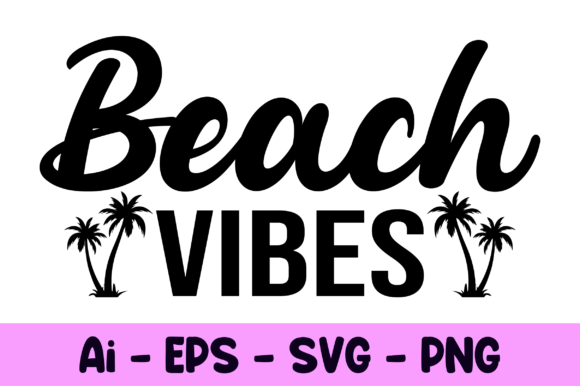
Beach Life Svg: A Designer's Real-World Embroidery Review
As someone who has spent years stitching designs for boutique shops, custom apparel, and handmade gifts, I know that the difference between a project that sells out and one that gathers dust often comes down to the file itself. When I first opened Beach Life Svg, my initial reaction wasn't just about how it looked on the screen; it was about how it would translate into thread. This is a Graphics category item, but in the hands of a crafter or small business owner, it becomes a tangible product ready for the hoop.
The design immediately evokes a specific mood: relaxed, sunny, and inviting. It feels like a design that belongs on a tote bag carrying beach gear, a sweatshirt worn at a summer bonfire, or a personalized gift for a friend supporting a special occasion. The layout suggests versatility, promising to work well for t-shirt designs, mug wraps, and various other purposes. But as an experienced designer, I need to look past the marketing promise and ask: does this actually hold up under the needle?
From Screen to Stitch: The First Impression
When you download a digital embroidery file, you are buying more than just pixels; you are buying a production plan. Beach Life Svg presents a visual personality that screams "summer," which makes it a natural fit for seasonal collections. The shapes appear clean enough to be rendered effectively in machine embroidery, avoiding the trap of overly intricate details that tend to blur when stitched on fabric. For a commercial embroidery project or a craft fair product, clarity is king. If the design loses its definition after three washes, the customer trust built during the sale evaporates instantly.
I am particularly interested in how this design handles the transition from a digital mockup to a finished product. The description mentions showing pride by wearing creative designs, which implies a bold statement piece. In real-world application, this means the design needs enough visual weight to stand out against different fabrics. Whether it is placed on a light-colored apron or a dark hoodie, the contrast provided by the chosen thread colors will determine if the message lands with impact. The design seems optimized for high visibility, making it ideal for branding a small shop or creating memorable holiday embroidery pieces.
Real-Life Scenarios: Where Does It Shine?
To truly evaluate Beach Life Svg, I imagine placing it in a few common scenarios that define the modern craft business. Let's say I am preparing a custom embroidered tote bag for a local market. The sturdy canvas of a tote provides a perfect foundation for this kind of graphic. The design would likely sit comfortably in the center, drawing attention without overwhelming the utility of the bag. Customers love functional items that also make a fashion statement, and this design bridges that gap perfectly.
Consider another scenario: a baby item. Embroidering a soft onesie or a nursery pillow cover requires a design that is gentle yet distinct. Beach Life Svg could work beautifully here, perhaps using pastel thread colors to soften the edges while maintaining the core message. However, for baby embroidery, stitch density becomes critical. You do not want a stiff patch on a delicate garment. If the design utilizes a mix of satin stitch for outlines and fill stitch for color blocks, it might create a texture that is too heavy for a newborn's skin. In this case, the design would need careful adjustment before hitting the sewing machine.
For the Etsy seller or digital product creator, this file offers a versatile asset. You can use it to create printable mockups for listings, allowing buyers to visualize the final result before purchasing. It fits seamlessly into categories like small shop products, boutique branding, and personalized gifts. Imagine a client ordering a set of matching kitchen towels for a wedding gift. The design's broad appeal ensures it won't feel out of place in a home setting, adding a touch of personality to everyday items like tea towels or blankets.
Technical Challenges and Design Limitations
No design is perfect for every surface, and Beach Life Svg is no exception. As a reviewer, I must point out where caution is required. Small hoop sizes present a significant challenge. If the design contains fine lettering or tiny decorative accents, shrinking it to fit a 4x4 inch hoop could result in lost detail. The threads might merge together, turning crisp lines into muddy blobs. For these reasons, I advise checking the minimum dimensions before committing to a small project like a cap or a hat patch.
Fabric texture also plays a massive role in the final outcome. Stretchy fabrics, such as those found in athletic wear or thin t-shirts, require extra care. Without proper stabilizer, the tension of the stitches can cause the fabric to pucker, distorting the shape of the design. Similarly, textured fabrics like denim or corduroy can hide the finer points of the embroidery. While the design looks great on smooth cotton, applying it to a rough weave might obscure the intended aesthetic. Dark fabrics add another layer of complexity; you will need to ensure your thread selection provides enough opacity so the design doesn't get swallowed by the background color.
Dense stitch areas are another potential pitfall. If the design relies heavily on fill stitches, it may become rigid and uncomfortable to wear, especially on curved surfaces like caps. Layered garments can also complicate the process, as the bulk of the embroidery might interfere with zippers or buttons. Before starting a commercial embroidery run, always inspect small details and test the design on scrap fabric first. This simple step can save hours of rework and prevent costly mistakes.
Practical Notes for the Embroidery Designer
If you are planning to use Beach Life Svg in your own workflow, there are several technical steps you should take to ensure success. First, review the stitch density. High density can lead to puckering, while low density might leave gaps in the image. Adjusting the settings in your embroidery software can help balance this. Second, confirm the hoop size requirements. If the design exceeds your machine's capabilities, you may need to split the file or resize it, though resizing can sometimes affect the aspect ratio.
Thread color selection is equally important. Test the design in black and white mockups to see how the values interact. Sometimes a color that looks vibrant on a screen appears dull in thread form. Comparing light and dark fabric backgrounds will help you choose the right thread palette for maximum contrast. Don't forget to use the proper stabilizer; cut-away stabilizers are generally best for stretchy fabrics, while tear-away works well for stable materials like cotton.
Finally, consider the licensing terms. Are you allowed to sell finished items made with this design? Can you resell the digital file itself? Confirming these details before you start production protects your business and ensures you are compliant with the creator's terms. Whether you are creating a handmade product for a personal gift or scaling up for a craft business, understanding the legalities is as important as understanding the mechanics.
Final Verdict on Beach Life Svg
Beach Life Svg stands out as a strong candidate for summer-themed projects. Its ability to convey a clear, cheerful message makes it valuable for anyone looking to add a touch of coastal charm to their creations. From custom apparel to personalized gifts, the design offers a solid foundation for building a cohesive brand identity. However, success depends on the maker's attention to detail regarding fabric choice, stabilization, and stitch settings.
For the creative entrepreneur, this design asset represents an opportunity to expand their catalog with items that resonate with customers seeking quality and style. By testing thoroughly and respecting the technical limitations of embroidery, you can turn this digital file into a stunning finished product that delights customers and builds long-term loyalty. Just remember to check the specific file formats and machine compatibility before diving in, ensuring a smooth workflow from start to finish.