Real-World Review: Baseball T-shirt SVG Vector Design
As a designer who has spent years turning digital files into tangible, stitched products, I approach every new asset with a mix of excitement and skepticism. You never know if a design will hold up under the tension of a machine or if it will look cheap on a finished garment. Recently, I examined the Baseball T-shirt SVG Vector Design, a product listed under Crafts and Graphics, to see if it truly belongs in a professional workflow. My goal was not just to admire the vector shapes but to determine how this file performs when translated from a screen to a real-life embroidery project.
First Impressions and Visual Personality
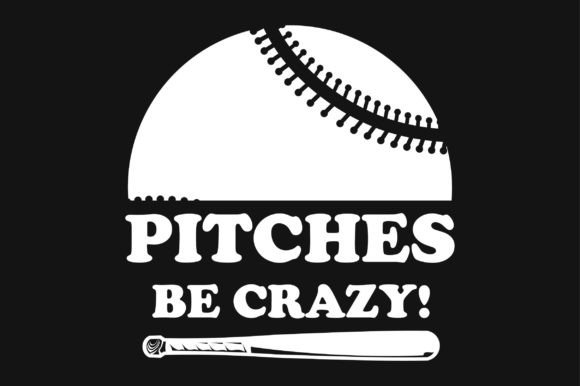
The moment you open the Baseball T-shirt SVG Vector Design, the layout speaks immediately to its intended use. It captures that classic, retro sports aesthetic without feeling cluttered. The visual personality is bold yet clean, relying on strong geometric shapes rather than intricate, fragile details. This is crucial for embroidery because a design that looks good on a monitor often falls apart when the needle starts punching through fabric.
I appreciate that the design feels versatile. It doesn't scream "sports team" so loudly that it can't be adapted for a casual brand logo or a personalized gift. The composition suggests a design meant to sit comfortably on the chest of a sweatshirt or centered on a tote bag. There is a sense of confidence in the lines, which translates well to the final stitched product. When you are selling handmade goods, that initial visual impact is what stops a customer from scrolling past your Etsy listing.
Bringing the Design to Life: A Real Project Scenario
To truly test the potential of the Baseball T-shirt SVG Vector Design, I imagined a specific scenario: preparing merchandise for a local craft fair. I wanted to create a line of custom embroidered patches and small shop products that would appeal to both hobbyists and boutique owners. The plan was to use this design on a heavy cotton canvas tote bag and perhaps a soft fleece sweatshirt.
In this context, the versatility of the vector format becomes a major asset. Since the file includes AI, EPS, SVG, and PNG formats, I could easily adjust the thread colors to match my brand palette without losing quality. For the tote bag, I envisioned a thick satin stitch outline in navy blue with a fill stitch in cream, creating a high-contrast look that stands out against the natural canvas color. For the sweatshirt, the same design could be scaled down slightly and executed in a single-color running stitch for a more subtle, vintage feel.
This kind of adaptability is what separates a disposable graphic from a valuable design asset. If I were using a raster image, I would have struggled to resize it for different products without pixelation. With this vector-based embroidery file, the transition from a large patch to a tiny baby bib is seamless. It allows me to offer a cohesive collection of items, from holiday gifts to everyday carry bags, all sharing a unified visual identity.
Performance in Stitching and Fabric Application
When discussing how a design like the Baseball T-shirt SVG Vector Design performs in real-world situations, we must consider the mechanics of the stitching process. The description mentions it is made with 100 vector shapes, which implies a moderate level of detail. In practice, this means the design likely utilizes a combination of satin stitch for outlines and fill stitch for the main body elements.
This balance is generally excellent for durability. Satin stitches provide a crisp edge, while fill stitches cover the fabric effectively, hiding any gaps. However, the success of the final product depends heavily on the choice of stabilizer and the type of fabric being used. For instance, if I were applying this to a stretchy t-shirt material, I would need to ensure a cut-away stabilizer was used to prevent puckering. On a structured cap or a denim jacket, the design would likely lay flat and maintain its shape beautifully.
I also considered the application on textured fabrics. The bold nature of the baseball theme works well with materials like corduroy or heavy twill, where the texture adds depth to the stitching. Conversely, on very thin or sheer fabrics, the density of the stitches might show through to the other side, potentially affecting the drape of the garment. This is why testing on scrap fabric is an absolute non-negotiable step before committing to a client's order.
Navigating Limitations and Technical Challenges
No design is perfect for every situation, and the Baseball T-shirt SVG Vector Design has its own set of constraints that a professional must respect. One area requiring caution is the use of small hoop sizes. If the design contains fine details or tight corners, shrinking it down too much can cause the threads to bunch up or the shapes to lose definition. For projects like baby clothes or miniature patches, I would advise checking the minimum recommended size before cutting the fabric.
Another critical factor is the background color. While the vector file allows for easy color changes, the visual impact relies on contrast. Placing a light-colored design on dark fabric requires a solid underlay or a higher stitch density to ensure the base fabric isn't visible through the threads. Similarly, on dark backgrounds, a lighter thread color might get lost if the thread colors chosen do not have enough saturation. Always run a black-and-white mockup to verify that the shapes remain distinct regardless of the color scheme.
Curved surfaces like caps present another challenge. While the design is scalable, the curvature of a hat can distort straight lines if the digitization (or the conversion to a machine-readable format) does not account for the curve. If you are planning to use this for commercial embroidery on headwear, ensure that the file supports proper curve compensation or be prepared to adjust the placement carefully.
Impact on Product Value and Brand Perception
In the world of handmade businesses, the quality of your embroidery directly influences customer trust and perceived value. A sloppy stitch job can ruin even the best concept, but a clean, well-executed design elevates the entire product. Using a robust vector file like the Baseball T-shirt SVG Vector Design signals professionalism. It shows that you care about the integrity of the image and the longevity of the item.
For an Etsy seller or a small shop owner, this attention to detail can be the difference between a one-time purchase and a loyal customer. When buyers receive a personalized gift or a custom apparel item that looks polished and durable, they are more likely to recommend your business. The design serves as a foundation for brand consistency, allowing you to replicate successful styles across multiple product lines, from kitchen towels to wedding favors.
Furthermore, the ability to customize the design quickly means you can respond to trends faster. Whether it is a holiday-themed variation or a seasonal color update, having a flexible digital embroidery file allows you to keep your inventory fresh without redesigning from scratch. This agility is essential for staying competitive in the craft business.
Practical Designer Notes for Success
Before you download and start stitching, there are a few practical steps to ensure the Baseball T-shirt SVG Vector Design delivers the results you expect. First, always test the design on a piece of scrap fabric that matches your intended project in weight and texture. This helps you gauge the necessary hoop size and identify any potential issues with thread tension.
Secondly, review the stitch density. If the design feels too dense for the fabric type, it may cause puckering or stiffness. Adjust the settings in your embroidery software if possible, or choose a different stabilizer to support the stitches. Third, inspect the small details closely. Sometimes, vector paths can create tiny artifacts that look great on screen but result in skipped stitches on the machine. Zoom in and check for any overlapping nodes or unnecessary complexity.
Finally, confirm the licensing terms. If you intend to sell finished products featuring this design, ensure you have the commercial rights. Many creators allow personal use only, while others permit commercial sales with specific conditions. Understanding these rules protects your commercial embroidery business from legal issues. By following these guidelines, you can transform a simple vector file into a high-quality, market-ready product that stands out in a crowded marketplace.