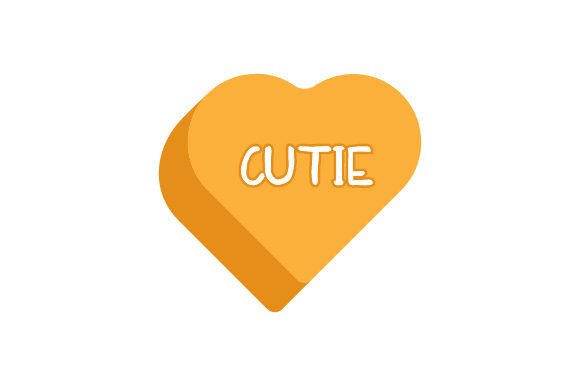
Candy Heart Cutie Sticker Embroidery Review
I have spent years evaluating digital assets for commercial embroidery, and I know that the difference between a good product listing and a profitable one often comes down to the actual stitch execution. When Candy Heart Cutie Sticker landed in my inbox, I did not just look at the preview image; I immediately started visualizing how it would translate from a vector file into thread on fabric. This is not merely a cute graphic for a Valentine's Day card; it is a functional machine embroidery design intended for creators who need reliable assets for their craft business.
The First Impression: Mood and Visual Personality
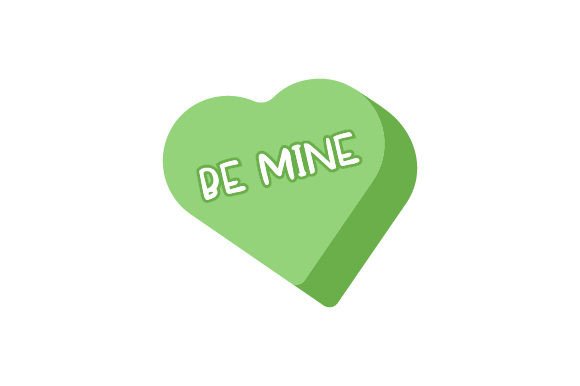
From a design standpoint, Candy Heart Cutie Sticker exudes an immediate sense of playfulness and nostalgia. The shape mimics the classic conversation hearts we all remember, but with a modern, simplified aesthetic that works exceptionally well for contemporary branding. For a designer looking to create a cohesive collection, this piece offers a distinct visual personality that feels approachable yet professional.
The layout is clean, which suggests high potential for versatility. It does not feel cluttered or overly complex, a common pitfall in many digital files. Instead, it relies on strong outlines and clear negative space, traits that are essential when converting a raster or vector image into a physical object. If you are an Etsy seller or a boutique owner, you will appreciate that this design communicates warmth and affection without relying on cliché elements. It strikes a balance that allows it to fit seamlessly into both a child's nursery decor and a trendy adult accessory line.
Real-World Application: A Case Study in Custom Apparel
To truly understand the utility of this asset, let us imagine a specific scenario. You are preparing a limited run of custom embroidered tote bags for a local craft fair or a holiday pop-up shop. Your goal is to create a unique item that stands out on the table but remains practical for everyday use. You decide to place Candy Heart Cutie Sticker on the front pocket of a canvas tote.
In this context, the design performs admirably. The simplicity of the heart shape ensures that the stitching remains crisp even on the textured surface of heavy-duty canvas. Unlike intricate floral patterns that might get lost in the weave of the fabric, this design holds its definition. When paired with bright, contrasting thread colors, it pops against neutral backgrounds, drawing the eye immediately. Customers browsing your booth will see a finished product that looks intentional and polished, rather than rushed or poorly executed.
This same logic applies to other custom apparel projects. Imagine applying the design to a soft baby onesie or a cozy sweatshirt. The rounded edges of the candy heart translate well onto curved surfaces, making it an excellent candidate for hats or caps where the curvature can distort more angular designs. For a small shop owner, this means you can offer personalized gifts—adding a name or date alongside the sticker—that feel bespoke and high-value.
Technical Performance and Stitch Clarity
When reviewing any embroidery file, the devil is always in the details. The Candy Heart Cutie Sticker appears to utilize a mix of satin stitches for the outlines and fill stitches for the interior, which is the standard for achieving a smooth, professional finish. However, the success of this design depends heavily on the stitch density and the choice of thread.
If the stitch density is too high, the fabric may pucker, particularly on lighter materials like t-shirts or pillow covers. Conversely, if it is too low, the underlying fabric might show through, ruining the visual appeal. Because the design includes small details, likely within the text or the inner highlights of the candy heart, it requires careful attention to thread tension. I recommend testing the design on scrap fabric first to ensure that the satin stitch columns lay flat and do not bunch up. This step is non-negotiable for anyone selling finished products, as customer trust is built on the quality of the craftsmanship.
Where to Exercise Caution
While Candy Heart Cutie Sticker is versatile, it is not a universal solution for every project. There are specific scenarios where this design might struggle or require significant adjustments. One major consideration is the hoop size. If you attempt to embroider this on a very small surface area, such as a keychain or a tiny patch, the fine details might become indistinguishable once stitched. In these cases, the design may need to be scaled up or simplified to maintain clarity.
Fabric texture also plays a critical role. On highly textured fabrics like terry cloth or thick fleece, the sharp lines of the design might blur slightly. Similarly, stretchy fabrics like jersey or spandex require a stabilizer that provides enough rigidity to prevent distortion during the stitching process. Without proper stabilization, the heart shape could warp, losing its symmetrical charm. Additionally, while the design looks great on light backgrounds, using it on dark fabric requires a careful selection of thread colors to ensure sufficient contrast. A black outline on a dark background might disappear, necessitating a white or metallic underlay.
Impact on Product Value and Brand Consistency
For creative entrepreneurs, the visual consistency of their brand is paramount. Using a design like Candy Heart Cutie Sticker helps establish a recognizable aesthetic that customers can associate with your shop. When a buyer sees a series of products featuring this specific style, it reinforces the idea of a curated collection rather than a random assortment of items.
This consistency directly influences perceived value. A well-executed embroidery job signals professionalism and care. When customers receive a handmade product that features precise stitching and vibrant threads, they are more likely to view it as a premium item worth the price. Furthermore, the design's theme aligns perfectly with seasonal trends, making it an ideal asset for holiday marketing campaigns. Whether it is for Valentine's Day, a wedding favor, or a birthday gift, the emotional connection the design evokes drives engagement and sales.
Practical Designer Notes for Implementation
Before you commit to a full production run, there are several technical steps you must take to ensure success. First, verify the file formats provided. The package includes SVG, Transparent PNG, EPS, and DXF files, which gives you flexibility for both digital mockups and direct machine loading. Ensure that your embroidery software correctly interprets the DXF or PES file before sending it to the machine.
Always inspect the design for small details that might not render well in your specific setup. Check the stitch density settings in your digitizing software to prevent thread breaks or fabric puckering. Confirm the recommended hoop size to avoid cutting off parts of the design. If you plan to sell the finished items commercially, double-check the licensing terms associated with the digital embroidery file. Some licenses allow for personal use only, while others permit commercial production of a limited number of units.
Finally, test the thread color combinations. A design that looks perfect on a screen might lose its impact in thread form. Try running a sample on the actual fabric you intend to use for your final product. This practice saves time, reduces waste, and ensures that your finished product meets the high standards expected by today's discerning buyers.
In conclusion, Candy Heart Cutie Sticker is a robust addition to any designer's library. Its blend of nostalgic charm and modern simplicity makes it suitable for a wide range of applications, from baby embroidery to commercial embroidery projects. By approaching the design with technical caution and creative vision, you can transform a simple digital file into a tangible, profitable asset for your craft business.