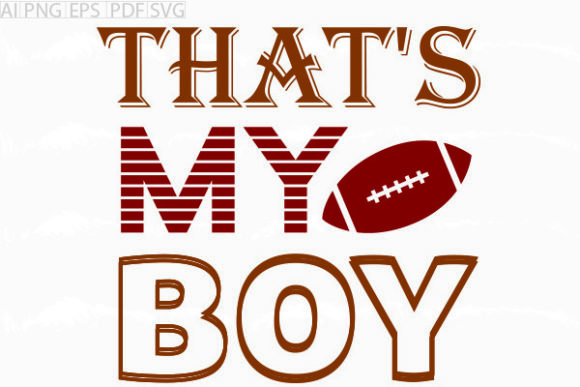
About My is on That Field SVG Graphic Review
When I first opened the About My is on That Field SVG Graphic, my immediate thought wasn't about file formats or stitch counts. It was about the vibe. The design carries a specific, grounded energy that feels perfect for someone who wants to add a touch of rustic charm or a subtle statement piece to their handmade collection. As an experienced designer who has stitched thousands of items for clients ranging from local boutiques to Etsy sellers, I know that the difference between a good product and a great one often comes down to the initial visual impact. This graphic creates a mood that is welcoming yet confident, making it an ideal candidate for projects that need to feel personal without being overly busy.
First Impressions and Visual Personality
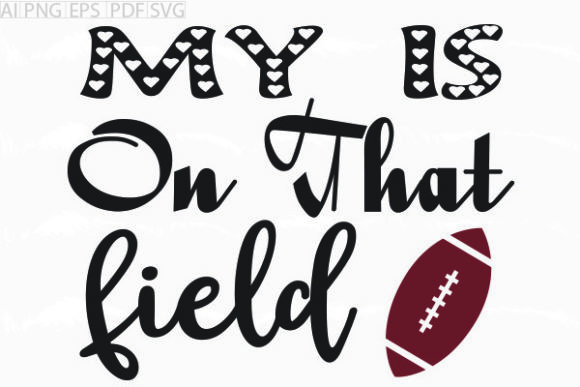
The layout of this digital clip art file suggests a strong focus on typography and perhaps a central icon or shape that anchors the phrase. In the world of embroidery, where thread can sometimes obscure fine details, the clarity of the original vector is crucial. About My is on That Field SVG Graphic appears to have a clean structure that translates well to physical media. It doesn't scream for attention; instead, it invites the viewer in. This makes it particularly effective for apparel where you want the message to be read comfortably rather than shouted. The balance of negative space within the design is something I always look for, as it allows the fabric texture to breathe through the stitches, creating a more professional finished product.
For crafters looking to build a cohesive brand, this design offers a personality that fits seamlessly into a lifestyle aesthetic. Whether you are designing for a farm-to-table market stall or a cozy home goods shop, the visual weight of this graphic aligns with themes of authenticity and simplicity. It feels like a design meant to be worn, used, and loved, rather than just displayed briefly.
Real-World Application: The Custom Sweatshirt Scenario
To truly understand how About My is on That Field SVG Graphic performs, let's walk through a real project scenario. Imagine you are preparing a custom embroidered sweatshirt for a small business client who runs a community garden or a local farm stand. They want a hoodie that says they belong to the land but isn't too aggressive or loud. You decide to use this design for the chest area.
Here is where the practical judgment comes in. When stitching this onto a thick cotton fleece, the design needs to hold its shape. If the text is intricate, you must ensure the stitch density is appropriate so the threads don't bunch up. However, if the design features a simpler font with bold lines, it will likely pop beautifully against the soft texture of the fabric. I envision a customer wearing this to a farmers market, feeling a sense of pride in their connection to the earth. The phrase "About My is on That Field" (or similar variations depending on the exact text) resonates deeply with people who value their workspace and environment. For an Etsy seller, this kind of emotional connection is gold; it transforms a simple garment into a story-driven item that customers are eager to share.
This same logic applies to other products. Picture a tote bag made of heavy canvas for a gardener. The durability required for a tote bag pairs well with the sturdy nature of this graphic. Or consider a baby onesie for a family with a farm background. The softness of the embroidery on a baby's skin requires careful selection of thread colors, but the design's gentle tone ensures it won't overwhelm the tiny wearer. It works equally well for holiday gifts, perhaps printed on a tea towel or an apron for a hostess present, adding a personalized touch that mass-produced items simply cannot match.
Where to Exercise Caution
While this design has broad appeal, no single embroidery file is a magic bullet for every situation. There are specific constraints you must respect when working with About My is on That Field SVG Graphic. First, consider your hoop size. If the design includes detailed corners or very small lettering, shrinking it down to fit a 4x4 inch hoop might result in a muddy mess where the thread blends together. Always check the minimum dimensions before committing to a small patch or a cap front.
Fabric choice is another critical factor. Textured fabrics like bouclé or heavy waffle knits can hide the definition of your stitches. Thin, stretchy fabrics require a stabilizer that is robust enough to prevent puckering, especially if the design involves large fill areas. Dark fabrics present their own challenges; you will need to choose thread colors that provide high contrast. A light-colored design on a black shirt might get lost unless you use a dense underlay or a specific satin stitch technique to make it pop. Additionally, if you are planning to sell these items as part of a commercial line, remember that frequent washing can degrade lower-quality stitches over time. Ensure your tension and stitch count are optimized for longevity.
Technical Notes for the Professional Designer
Before you run this design through your machine, there are several practical steps to take. Test the design on scrap fabric first. This is non-negotiable. Run a test on the actual material you plan to use for the final product to see how the thread behaves and how the fabric reacts to the needle. Check the thread color contrast by holding the fabric up to the light; sometimes a color looks different on screen versus in person.
Review the stitch density carefully. High-density designs on thin fabric can cause the material to pucker or tear. Confirm your hoop size matches the design dimensions to avoid cutting off important elements. Inspect small details closely; if the design relies on tiny serifs or thin lines, ensure your machine can handle that level of precision. It is also wise to test the design in black and white mockups to verify that the value contrast is strong enough to be readable without color distractions.
Compare how the design looks on both light and dark fabric backgrounds. This helps you decide which thread colors will yield the best results. Use the proper stabilizer for the fabric type—cut-away for stretchy materials and tear-away for stable wovens. Finally, double-check whether the design works for both personal and commercial projects. Many digital assets come with specific licensing terms that dictate if you can sell the finished physical items. Confirming these terms before you start production protects your business from legal issues later.
Impact on Brand and Customer Trust
In the competitive world of handmade goods, the quality of your embroidery speaks volumes about your brand. Using a well-composed design like About My is on That Field SVG Graphic signals professionalism. Customers can tell the difference between a rushed job and a thoughtful creation. When the stitching is clean, the colors are vibrant, and the design sits perfectly on the garment, it builds trust. It tells the buyer that you care about the details, even the ones they can't fully articulate.
This design asset is versatile enough to serve as a cornerstone for a boutique product line. Whether you are creating a collection of nursery decor, holiday gifts, or custom apparel, the consistent application of high-quality graphics elevates the perceived value of your entire shop. It encourages repeat business because customers associate your brand with reliability and style. By taking the time to evaluate how this graphic performs in real-life scenarios, you ensure that your finished product not only meets but exceeds customer expectations.
Ultimately, About My is on That Field SVG Graphic is more than just a digital file; it is a tool for creative expression. For designers, small business owners, and hobbyists alike, it offers a reliable foundation for building meaningful handmade products. With careful preparation and attention to the technical nuances of embroidery, this design can become a standout piece in your portfolio, ready to delight customers and strengthen your brand identity.